


Rulewave
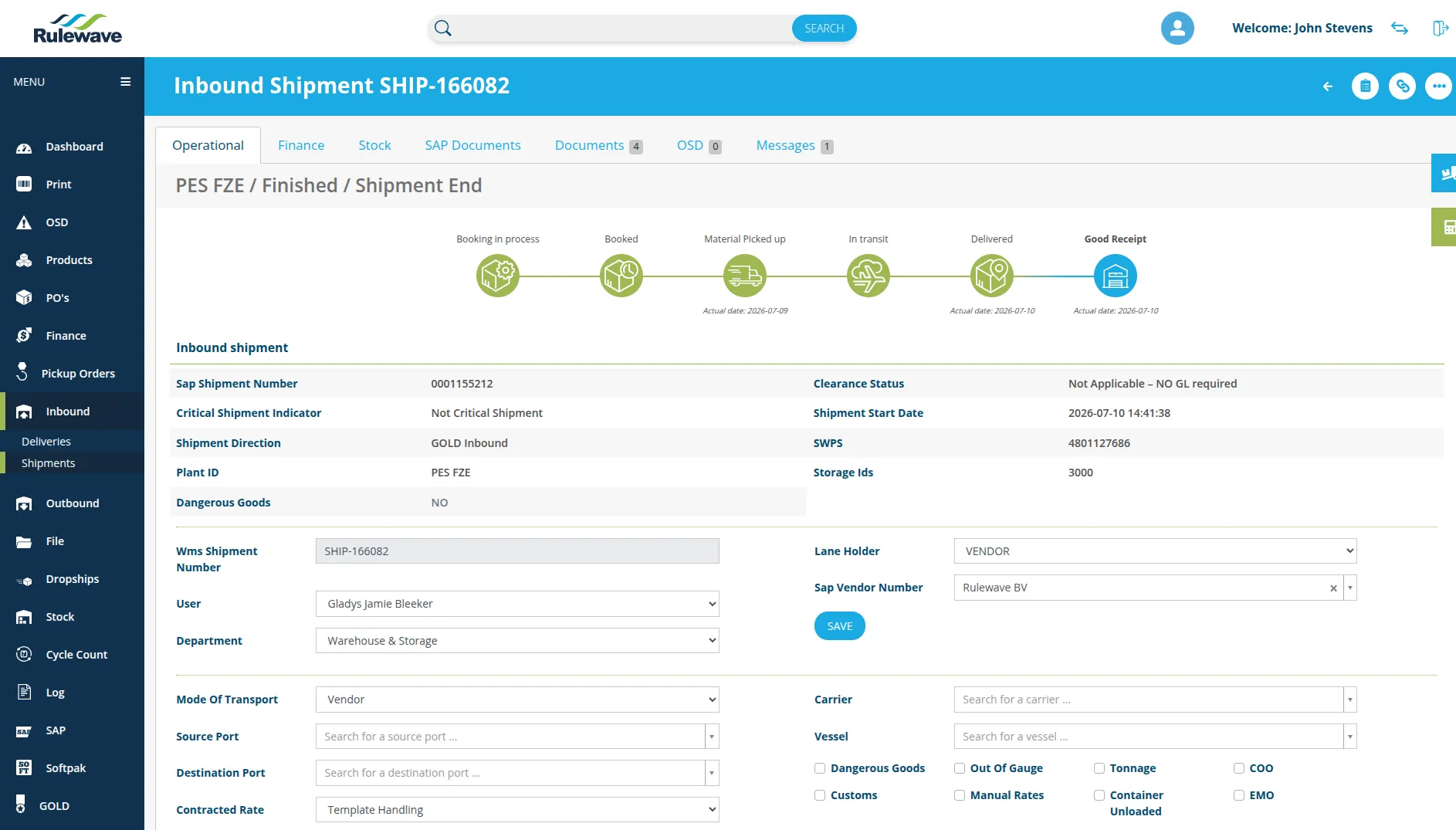
Warehouse Management System for a global logistics service provider
System ArchitectureCloud SolutionsSystem IntegrationAutomation Solutions

When a process depends on files sent back and forth by email, someone eventually works from an outdated copy. We build applications that bring the work into one place, accessible from any browser, and we continue supporting them after launch.
Our partners





Several people edit the same spreadsheet. Nobody is sure which copy is current, and errors only become visible a week later.
An order status, a document, or previous invoices. Someone on your team answers those emails instead of making the information available online.
In a warehouse, a vehicle, or during a site visit. Data does not reach the system until the evening, so decisions are based on yesterday's information.
Both open in a browser, so the distinction can be unclear. The difference lies in what people do there: they read a website, but work in an application.
| Web application | Website | |
|---|---|---|
| What it exists for | To let people do their work | To help people learn about your company |
| Who uses it | Signed-in people: staff, customers, partners, each with their own view | Anyone who visits, the same view for all of them |
| What happens inside | Data gets created: orders, tickets, documents, a history of what was done | Data arrives from outside, usually through one contact form |
| Where its data comes from | Your other systems: payments, ERP, GPS, e-invoicing | A content management system updated manually |
| What a change means | A new step in the process, shipped in a release | New copy or another page, live the same day |
| What support means | Someone is responsible for it whenever it is in use | Hosting, plugin updates and content changes |
We start by establishing what each user needs to see and what they are allowed to do. That determines everything else: screens, permissions, notifications and integrations.
A representative sees their own work, a manager sees the full picture, and an external customer sees only their information. One system replaces several files with inconsistent access rules.
There is nothing to install, and everyone uses the same version. Updates happen centrally rather than on twenty separate laptops.
You know where the application runs and who to contact if it stops. These services are part of the support agreement, not a separate order.
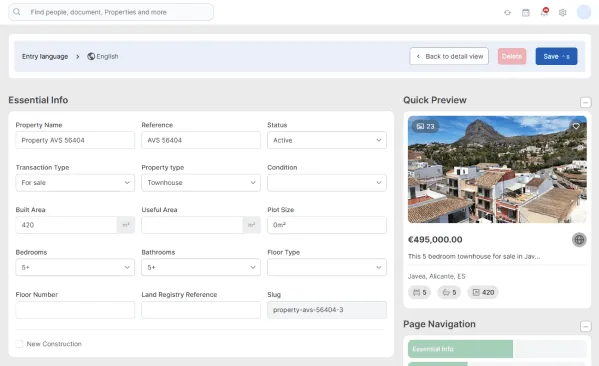
A warehouse system for a global logistics operator, a CRM for estate agencies, and ticket sales for a coach operator. Three industries, all supported by web applications that people rely on throughout the working day.
Warehouse Management System for a global logistics service provider
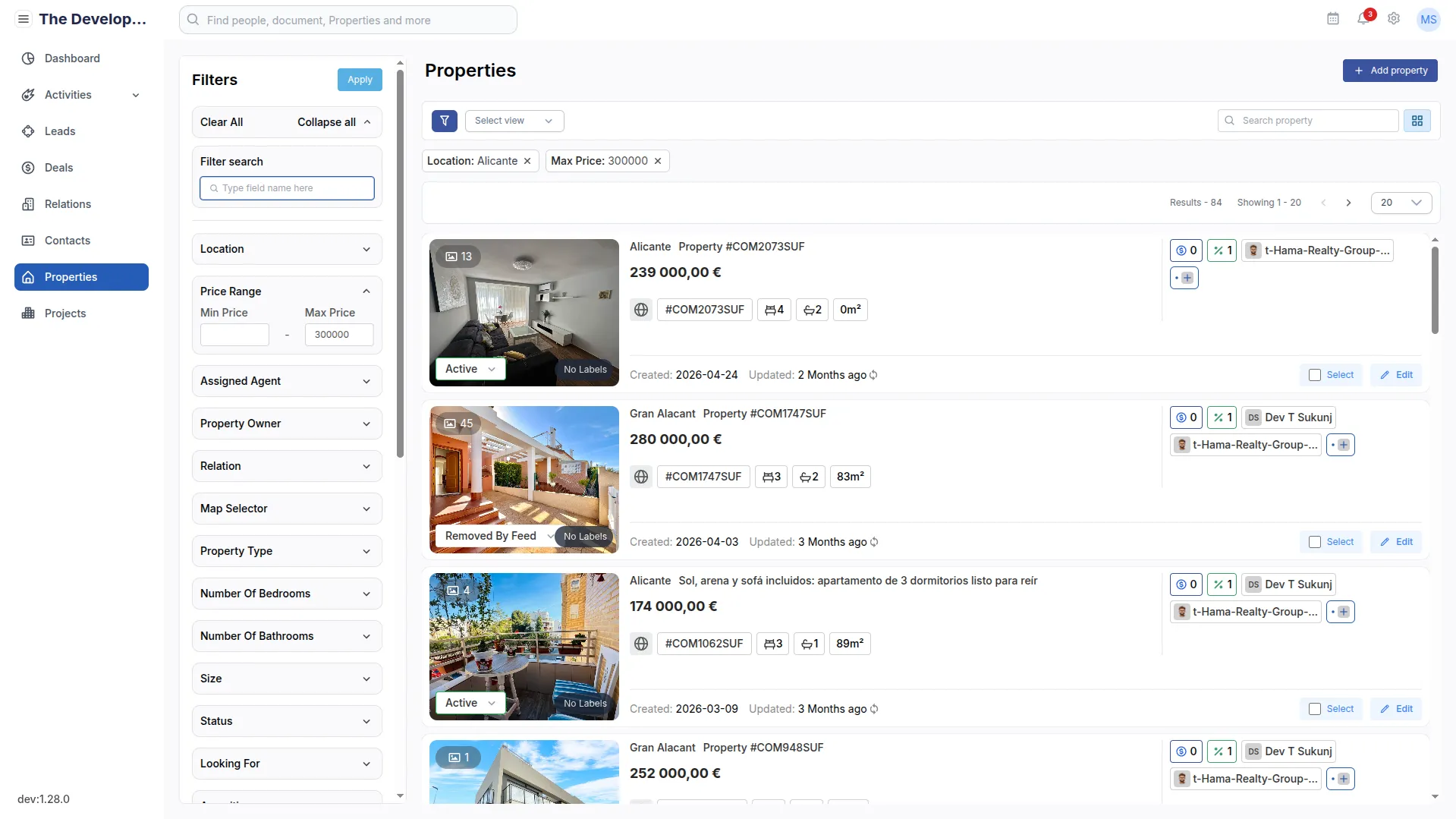
CRM system for real estate agencies
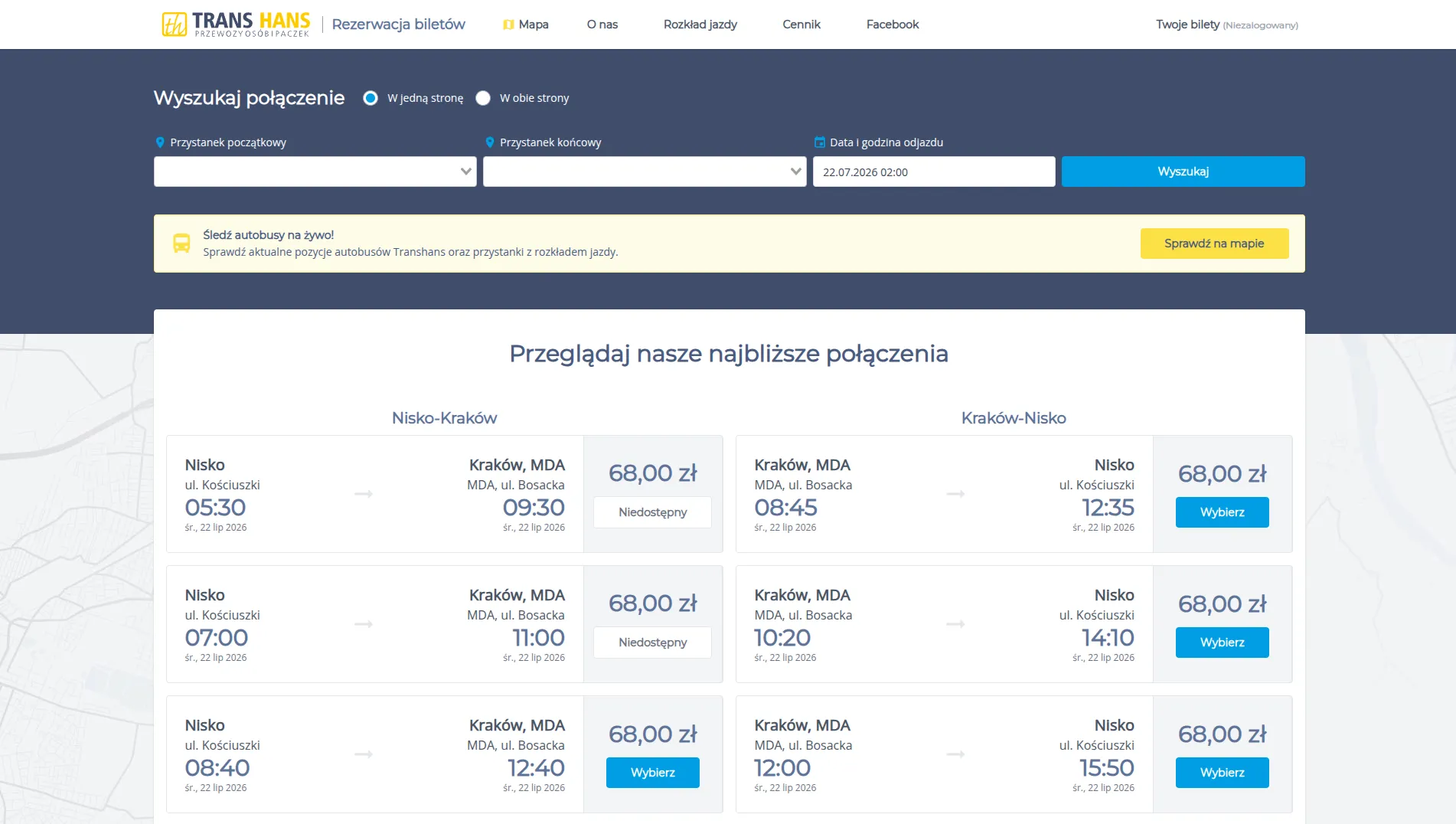
A bus carrier's own ticket booking app

You do not need to know what the screens should look like. Understanding where your team loses time is enough to get started.
We look at who does what, where they record it, and where data gets lost. Technology can wait until we understand the process.
Before development begins, you can click through the proposed screens as if the application already existed. At this stage, a change may require only one meeting.
We start with one focused but genuine part of the process. Your team uses it and tells us what needs improvement.
Features are delivered in sequence. When regulations change or a payment provider updates its API, we are available to adapt the application.
Rarely in the way people imagine. The domain, content and branding can stay, but a website platform is designed to publish pages, not run a business process. It is usually better to build the application alongside the website and connect the two with single sign-on. The website continues to attract customers while the application handles the work.
AI can produce a prototype quickly. Production software is more demanding: permissions must be correct, sensitive data cannot be mixed up, and integrations need to work consistently. We use AI in our own work and have integrated it into Tesoro, but it remains a tool. It does not take responsibility when something fails at seven in the morning.
Most companies start with a web application. It works on the devices they already have, with nothing to install. A mobile app becomes worthwhile when you need access to the camera or GPS, or need to work without a signal. TransHans uses both: passengers buy tickets in a native mobile app, while the operator manages routes in a browser.
More users are rarely the hardest part. Unexpected changes to the data model, such as a second country, another currency, or a new warehouse, tend to be more demanding. We ask about your growth plans early and design the application so that adding the next part does not require rewriting everything else. The Rulewave system has grown module by module since 2019.
It runs in the cloud, using accounts that belong to your company and in the region you require. You never need to ask us for access to your own data. If you move the application elsewhere in the future, you already control the accounts and credentials.
You work with the same engineers year after year. Our staff turnover is low, which is why the people who built the Rulewave system still maintain it today. If you decide to bring the application in-house, the code, database and accounts are already yours. We provide the documentation and remain available to answer questions during the handover.
Tell us what a typical working day looks like and which part causes the most difficulty. We will respond with questions about the process, not a generic price list.