


Rulewave
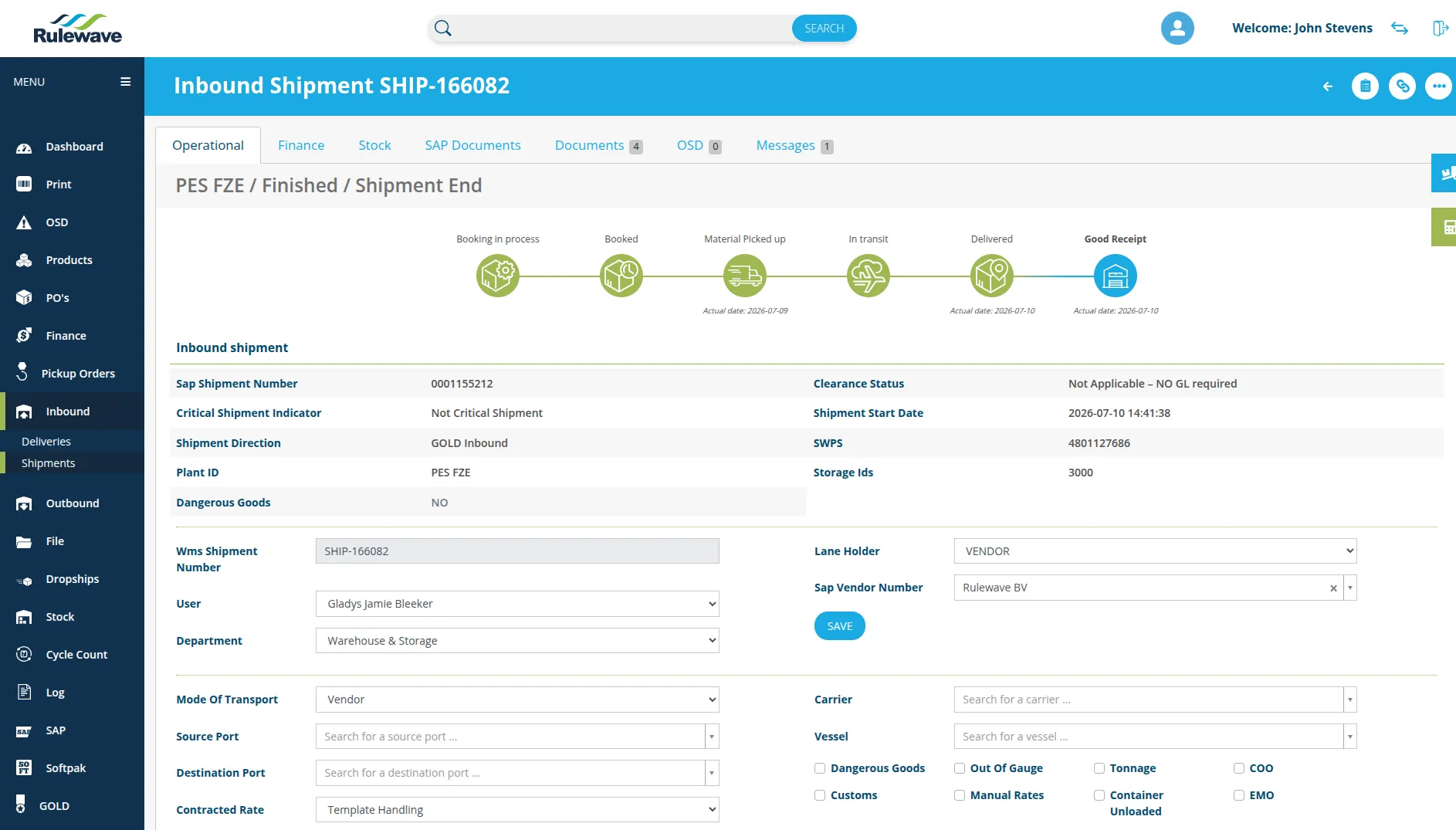
Warehouse Management System for a global logistics service provider
System ArchitectureCloud SolutionsSystem IntegrationAutomation Solutions

Most providers supply individual engineers and leave you to manage them. That is demanding enough in one office and even harder across borders. We take responsibility for a defined area of your product, assign our own lead, and give you one point of contact instead of four.
Our partners





Finding an experienced engineer takes months, while the backlog grows with every sprint. By the time someone joins and gets up to speed, it has grown again.
Everyone is occupied with urgent work. The module keeps waiting because nobody has the capacity to take responsibility for it.
An integration, a migration, or a one-off module may not justify a permanent role. Without the right expertise, however, the work never moves forward.
The difference becomes clear as soon as a problem arises. Someone needs to decide what happens next, and that responsibility should not fall to your manager late at night because the team works in another time zone.
One person is responsible for quality, deadlines and momentum, and makes sure the team does not sit idle waiting for answers. You speak to that lead instead of coordinating four people separately.
We take responsibility for a module or product area and for the results it delivers. Handling individual tickets from another team's queue is a different service, and not the one we offer.
We use your repository, process and code review. We do not create a parallel setup that your team will later have to untangle.

Nobody becomes productive in an unfamiliar codebase on the first day. What you can do is structure the start so that onboarding costs less than the bottleneck you are trying to remove.
Before changing anything, we learn the code, the data and the areas that must not be touched. This phase is short, but skipping it would turn everything that follows into guesswork.
We start with something real but not critical. It shows us how your review process works and where delivery slows down before we take on anything more complex.
We adapt to your meetings, tools and definition of done. We do not impose a new process on a company that already has one.
The work ships after it passes your review, not simply when we consider it ready. A production release shows whether the working arrangement is effective.
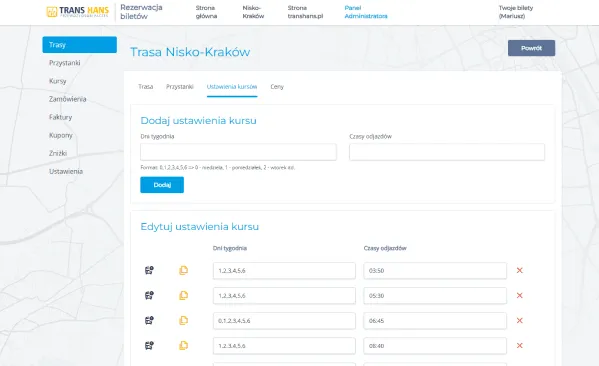
These are not staff augmentation projects. They are systems we built from scratch and still maintain today. We show them because they provide clear evidence of what long-term continuity means to us: Rulewave since 2010, and Tesoro and TransHans since 2022.
Warehouse Management System for a global logistics service provider
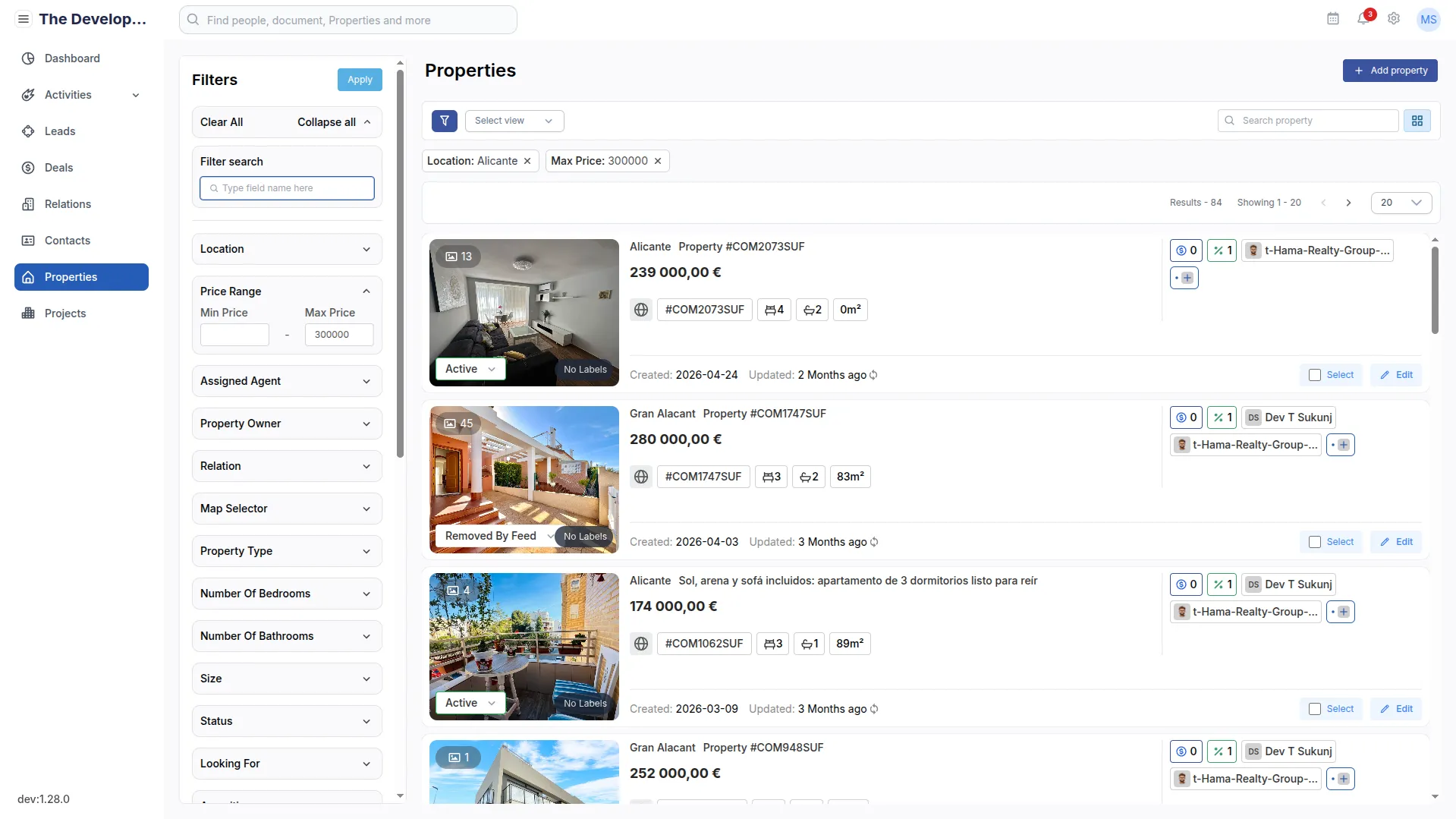
CRM system for real estate agencies
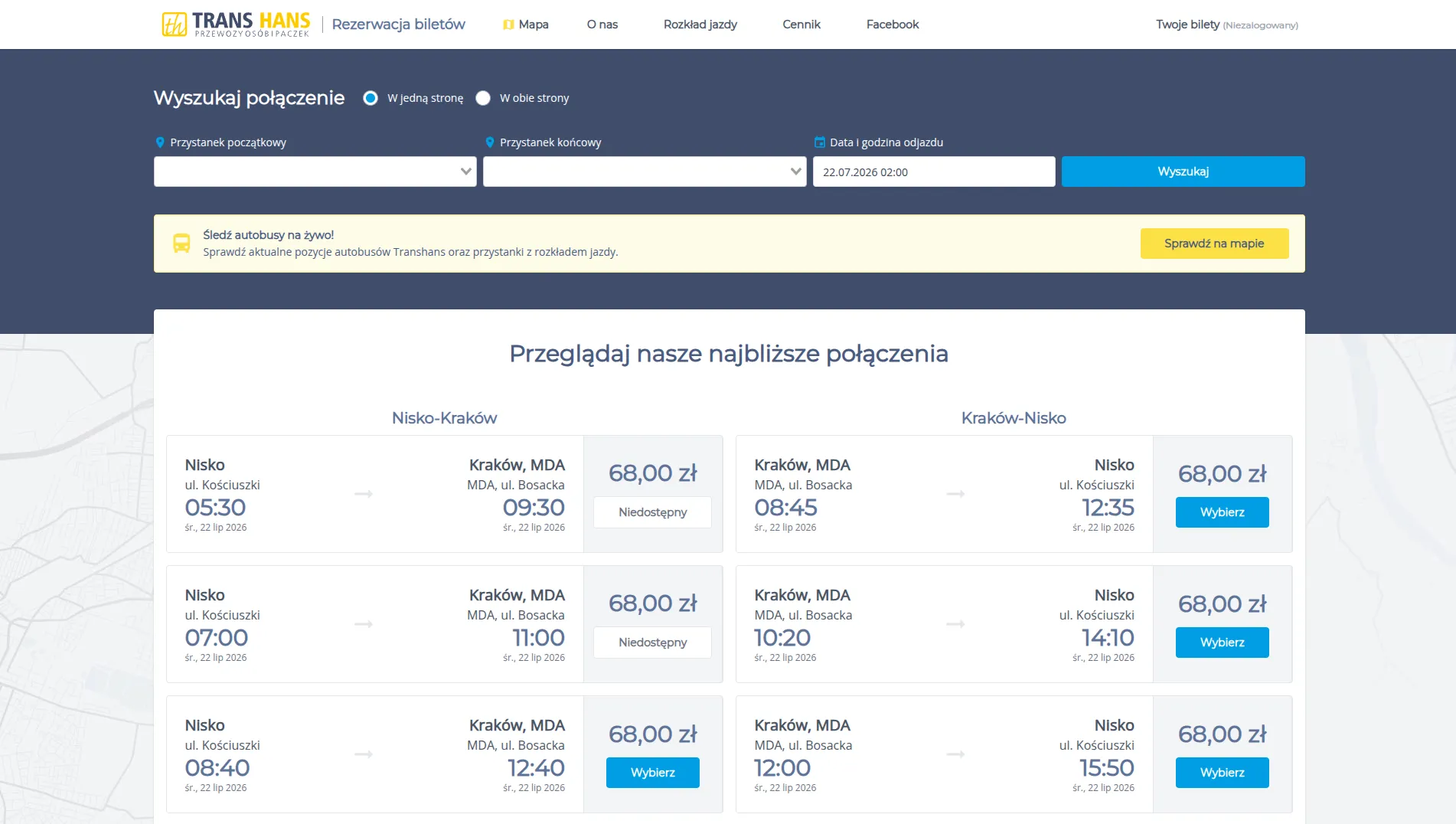
A bus carrier's own ticket booking app
Both models are sold as staff augmentation, and their rates may look similar in a spreadsheet. The key difference is who takes responsibility when something goes wrong, which is worth understanding before comparing hourly rates.
| A managed team | Individual contractors | |
|---|---|---|
| Who sets priorities | You, with a lead who tells you what will not fit | You, entirely |
| Who the team reports to | Our lead, who answers to you | Straight to your manager |
| Who owns quality | We do, including responsibility for the result | You do; it is your process and your review |
| When somebody leaves | Our problem, and so is bringing the next person up to speed | Your problem, and the search starts over |
| What you pay for | A product area and someone responsible for keeping it moving | The hours worked by named individuals |
| When the other model works better | When you need a team to take ownership of the work | When you already have a strong team and lead, and only need additional capacity |
No, and we make that clear early to save both sides time. We do not place individuals by the hour under someone else's management. We take responsibility for a defined product area and assign our own lead. If you need extra capacity for a backlog managed entirely by your team, other providers specialise in that model.
The contract is with us, not with individual engineers, and staffing the team is our responsibility. You do not run interviews, manage holidays or arrange cover. If someone leaves or is unavailable, we bring in a replacement. The new person does not start from zero because the lead retains the context.
You pay for the area we take on and for the team responsible for moving it forward. The price and billing model depend on exactly what sits on our side. We do not quote ranges before that conversation because one module and an entire product area require very different levels of involvement.
We do not impose a minimum term upfront. The first month, however, is largely spent learning your codebase, so a very short engagement is unlikely to benefit either side. We agree the details alongside the scope and keep the notice period straightforward.
You meet the team before signing, and those are the people who do the work. Everyone works in English. Because we are based in Poland, our working day overlaps almost entirely with Western Europe. We can visit in person during the first weeks or for particularly difficult problems, but we do not place team members permanently in different client offices because that undermines how the team works together.
The first task provides the best test. We begin with something real but not critical, so you can see what an interview cannot show: how we communicate, respond to feedback, and manage our work. If the arrangement is not right, it is better to establish that then than three months later.
Tell us which part of the product is stalled and what needs to happen there this quarter. We will tell you whether it is suitable for an external team and what we would take on first.